

Beyond the Glitter
I read two pieces this week that stuck with me. Shelley Walsh's argument in Search Engine Journal that evergreen content is over and trust has shifted from institutions to individuals, and Jono Alderson's piece on zombie companies, businesses that keep moving, reorganising, announcing transformation, while the thing that actually needs to change stays untouched.
Then last night I was on the phone to a friend of thirty years. She was my co-worker in my first proper 9-to-5, back when what we did for a living didn't even have today's name for it. Officially it was visual merchandising, that's what it said on my qualification when I started out, but day to day it meant graphics, window display, floor layouts. She's not on LinkedIn or Instagram, she's stayed well clear of all of that, though she'll admit Nextdoor got her in the end. Which, if you've ever used it, is arguably the most personal, oversharing platform of the lot. So we had plenty to laugh about, the neighbourhood disputes and the missing cat updates and the personal life leaking into a platforms that used to be, at least nominally, about work. I keep my own accounts firmly separated, private for the people who know me, business for the work. I used to think that made me a bit old fashioned. I'm no longer sure it does. I think it just means I came up in an industry with a clearer line between the two, and I've never seen a good reason to blur it just because the platforms reward blurring it.
That conversation, sitting alongside what I'd already read that week, brought me back to my own career, because I've lived the question both those pieces are really asking. Is this real, or is it just activity dressed up to look like it?
My first career started in traditional graphics and window display in the UK, at Debenhams. The brand still exists, but only as a website now. It went through two rounds of administration, and by 2021 every one of its physical stores on the British high street had closed for good. What's left carries the name, now owned by Boohoo, but it's a different business trading under an old one. From there I went to Macy's HQ in New York, then French Connection, then Hugo Boss HQ. Window design and dressing. It was glamorous in the way people assume it was, and I made friends and collected stories I still tell. But the job, at its core, was covering things in glitter. Making someone else's product look desirable in a box, a brand we designed around. It was creative and fun for a long time. That said it started to feel vacuous, and I couldn't shake the sense that I was decorating and designing the outside of things I had no hand in making.
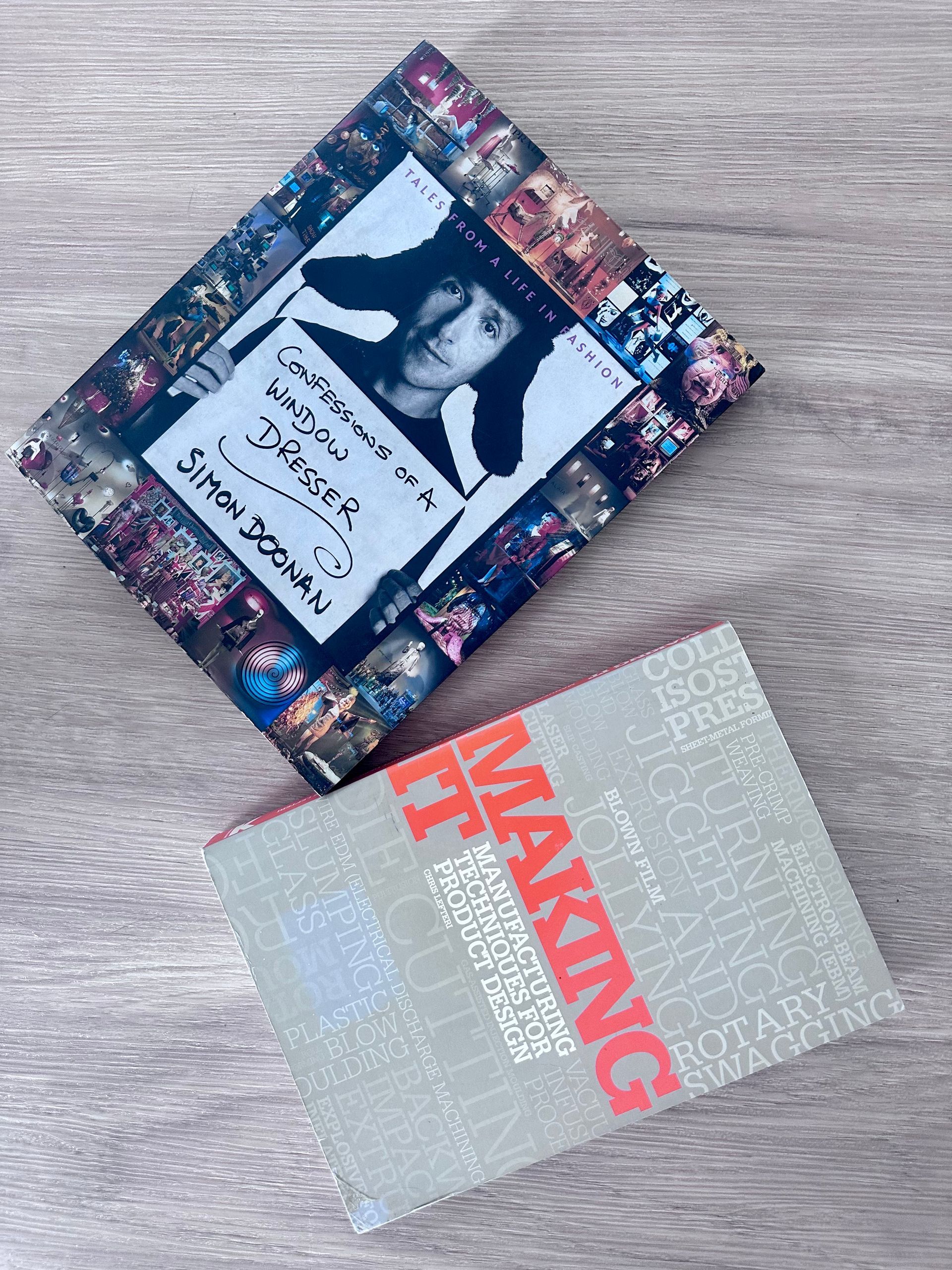
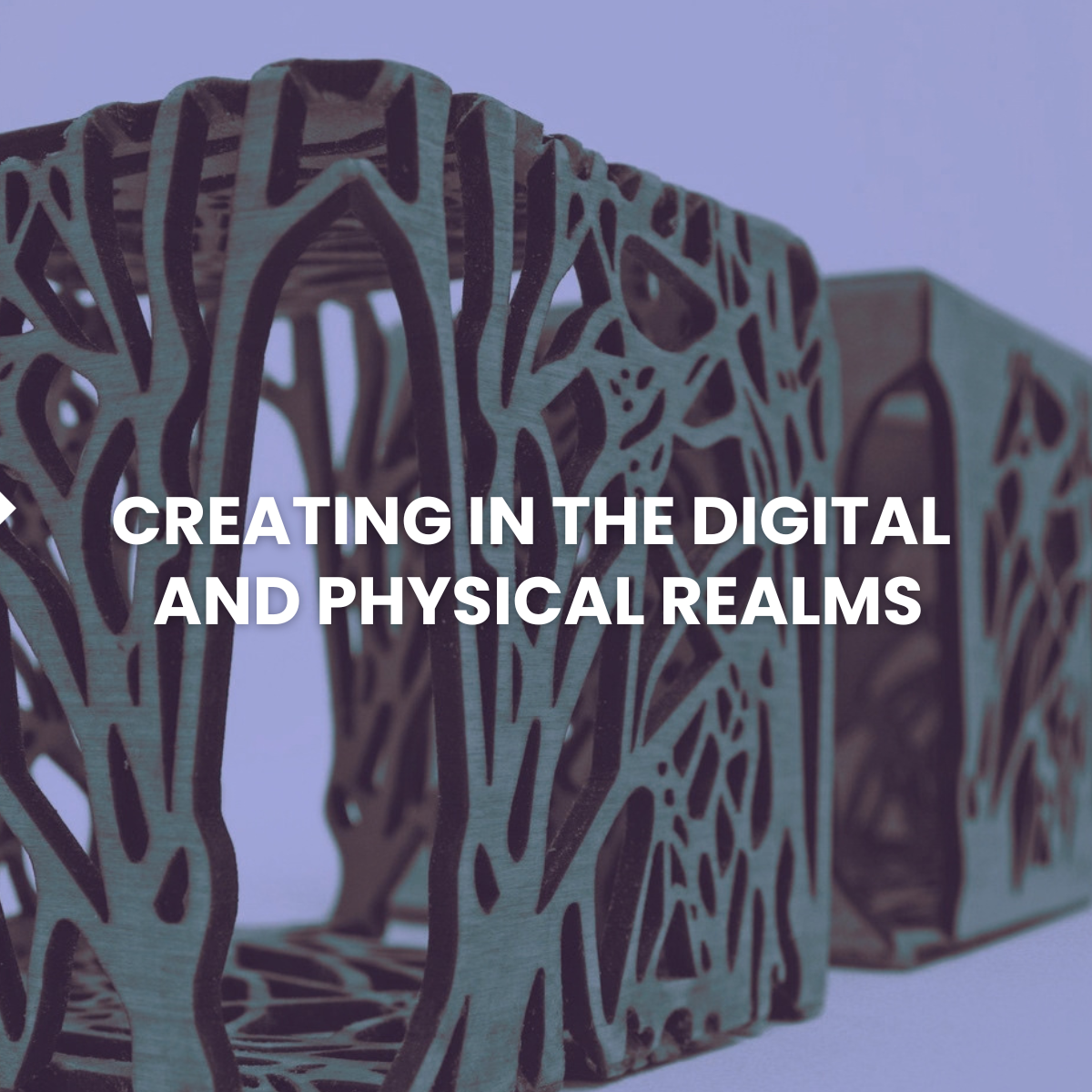
So I came back to Scotland and went to study 3D Design at university. That was the point I stopped covering things in glitter and started learning what's underneath it. Materials, process, tolerance, how something actually gets built well enough that it doesn't need decorating to be worth having. It's a blend of traditional making skills and digital technology aimed at producing physical, functioning things, not just things that photograph well. I got my first MySpace and Facebook account when I was almost thirty, around the same time, which tells you how early we all were. Digital marketing was still in its infancy. None of us knew yet what it would become.
So if I had to describe the arc of it: I spent a decade learning how to cover things in glitter. Then I went and learned what's actually underneath it. What I do now is really an extension of that second part. I'm less interested in making something shine and more interested in helping the people who've built something real get found by the people who actually need it. That's why I gravitate towards B2B and product or experience-led clients, they're usually people who've built the thing, not just dressed it, and they need someone who understands the difference.
That's really what Shelley and Jono are both getting at, in different ways. Not whether something looks impressive, but whether it's still capable of building anything new, or whether it's coasting on the reputation of something it used to be. I spent years learning how to dress up whatever I was handed. These days I'd rather build and help other businesses build on the thing that's actually worth finding.
Digital Articles + Stories