


3 Major Changes to SEO in Recent Years
Transformations That Have Had a Profound Impact on SEO
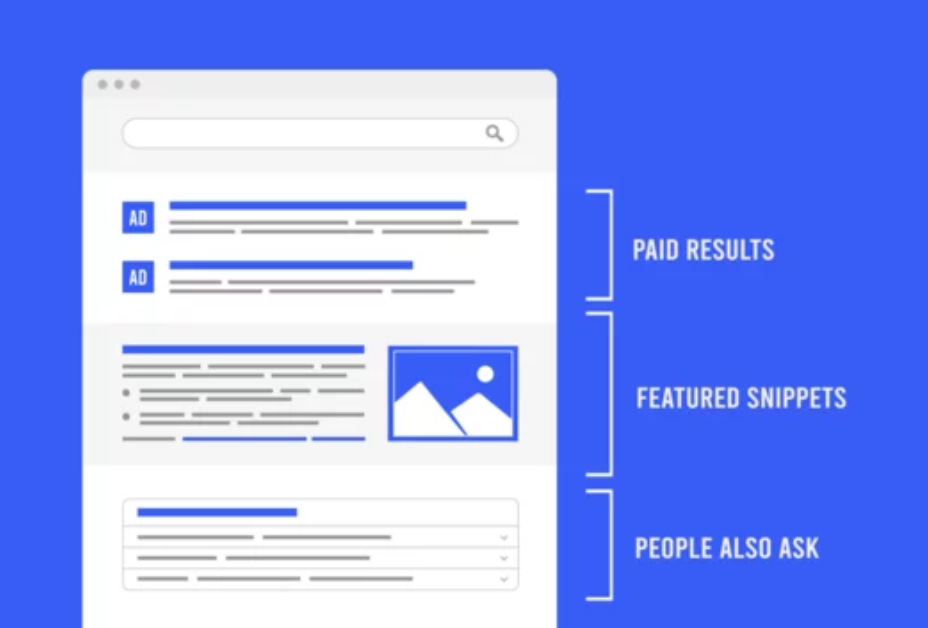
Search engine optimization (SEO), has had several significant changes have reshaped the digital landscape over the past five years.
1. User Intent and Content Relevance
One of the most significant shifts in SEO has been the increasing focus on user intent and content relevance. Search engines, particularly Google, have become more adept at understanding the context and intent behind user queries, moving away from simply matching keywords to delivering content that best satisfies the user's search intent. This shift has led to the rise of semantic search, natural language processing (NLP), and the prioritization of high-quality, relevant content over keyword density. SEO strategies now emphasize creating comprehensive, user-centric content that addresses the specific needs and interests of target audiences, rather than solely optimizing for specific keywords.
2. Mobile-First Indexing and User Experience
With the proliferation of mobile devices and the growing trend of mobile search, search engines have prioritized mobile-first indexing, where the mobile version of a website is used as the primary source for indexing and ranking. This shift reflects the importance of providing a seamless and optimized user experience across all devices, particularly mobile devices. Websites that are mobile-friendly, fast-loading, and responsive to different screen sizes are favored in search rankings, as they cater to the preferences and behaviors of mobile users. As a result, optimizing for mobile user experience (UX) has become a critical component of SEO strategies, with an emphasis on factors such as page speed, mobile responsiveness, and intuitive navigation.
3. Structured Data and Rich Snippets
Another significant change in SEO has been the increasing prominence of structured data markup and rich snippets in search results. Structured data markup, implemented using schema.org vocabulary, provides search engines with additional context and information about the content of web pages, enabling them to display richer and more informative search results, including featured snippets, knowledge panels, and other enhanced features. Websites that leverage structured data markup can enhance their visibility and click-through rates in search results, as rich snippets provide users with more relevant and actionable information directly in the search engine results pages (SERPs). As a result, implementing structured data markup has become an essential SEO tactic for businesses looking to stand out in search results and improve their organic visibility.
TLDR
The landscape of SEO has undergone significant changes in the last five years, driven mainly by advancements in technology, shifts in user behavior, and updates to search engine algorithms. The increasing emphasis on user intent and content relevance, mobile-first indexing and user experience, and structured data and rich snippets reflects a broader trend towards delivering more personalized, informative, and user-friendly search experiences. By adapting to these changes and prioritizing user-centric strategies, businesses can enhance their visibility, engagement, and success in the competitive digital marketplace.
Looking for help with your SEO, Content or Website?
Digital Articles + Stories