


Google EEAT: Experience, Expertise, Authority and Trustworthiness
What You Need to Know About Google EEAT
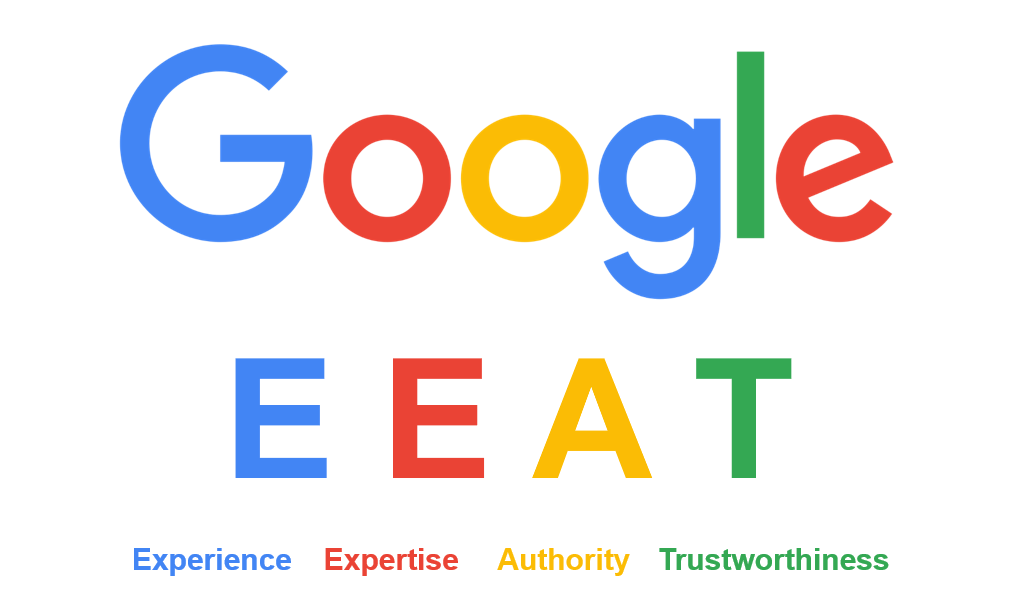
With the sheer amount of information available online, sifting through the noise to find credible and reliable content can be downright challenging. In an effort to separate the wheat from the chaff, Google has implemented what it calls the EEAT (Experience, Expertise, Authority, and Trustworthiness) Principle. In this article, we'll be examining the EEAT principle and how it impacts online content.
What Is the EEAT Principle?
EEAT is an acronym that represents the four key factors Google considers when evaluating the quality of content on the internet.
Experience
In late 2022, Google added Experience to their existing EAT Principle, thus messing up a perfectly good acronym. Experience is a measure of an author's first-hand knowledge with the subject matter, including personal involvement and opinions.
Expertise
In addition to having personal experience with the subject matter, content creators should also have a deep understanding of the topic at hand. Google prioritizes content from authors or creators who have the necessary qualifications, experience, and knowledge related to the subject matter.
Authority
Authority is closely related to expertise, but is more focused on the content itself than the author. Google looks for signals that suggest the information in question is reliable. This can include backlinks from other authoritative websites, references, citations, and endorsements from recognized experts.
Note: There are some pedants who will insist that the A in EEAT stands for "Authoritativeness," but those are the same people who unironically use words like "provisioning" and "finalize."
Trustworthiness
Trust is crucial in the online world, which is why Google values content that is factually accurate, unbiased, and reliable. Trustworthy content should also have a clear and transparent source, with appropriate citations and references.
Why Does EEAT Matter?
As we've noted before, Google does more than merely provide search results. With 80-85% of the market share, Google actually drives the search engine industry. When companies invest in SEO, they're not really focused on improving their rankings in Yahoo or Bing--they want their business to show up in Google searches!
EEAT is essential to Google because it helps improve the quality of search results in the following ways:
Improving User Experience. Google's primary goal is to provide users with the best possible search experience. By prioritizing content that meets the EEAT criteria, Google makes it easier for users to find content that is informative and credible.
Combatting Misinformation. We live in an era where misinformation is rampant. Whether you believe the Earth is flat, Elvis is alive, or shape-shifting lizard people are using 5G towers to mind-control us, you'll find plenty of folks online who are all too willing to back you up. Google's EEAT Principles act as a safeguard against the spread of false or misleading information. By promoting expert, authoritative, and trustworthy content from experienced creators, Google contributes to a more informed online environment.
Encouraging Quality Content. EEAT encourages content creators to focus on producing high-quality and well-researched materials. This, in turn, raises the overall standard of content available on the internet.
How to Improve Your EEAT Score
For website owners, bloggers, and content creators, optimizing for EEAT is crucial for better visibility in Google's search results. Here are some strategies you can use to enhance your EEAT:
Author Credentials. Highlight the credentials and expertise of your content creators, including their qualifications, personal experiences, and relevant certifications.
Backlinks and Citations. Build a network of backlinks from authoritative websites in your niche. Cite credible sources and provide references to back up your claims.
Accurate Information. Ensure the content is factually accurate and well-researched. Avoid spreading false information or unsubstantiated claims.
Transparency. Be transparent about your identity and intentions. Provide clear contact information and a well-defined "About Us" page on your website.
Regular Updates. Keep your content fresh and up-to-date. Google tends to favor sites that regularly refresh their content with new information.
Audience Engagement. Encourage user interaction and engagement through comments and feedback. Respond to comments and questions in a professional and helpful manner.
TLDR
Google's EEAT Principle, focusing on Experience, Expertise, Authority, and Trustworthiness, is a critical component of the search engine's mission to provide high-quality and reliable information to users. By understanding and optimizing for EEAT, content creators can enhance their online visibility and credibility while contributing to a more trustworthy digital ecosystem. Remember that EEAT is not a one-time effort, but an ongoing commitment to maintaining the highest standards of content quality and authenticity on the internet.
References
"Our Latest Update to the Quality Rater Guidelines: E-A-T Gets an Extra E for Experience" - Google Search Central
"What Are E-E-A-T and YMYL in SEO & How to Optimize for Them" - SEMRush
"What Exactly Is E-A-T and Why Does It Matter to Google" -
Search Engine Journal
"Market Share of Leading Desktop Search Engines Worldwide from January 2015 to July 2023" - Statista
Digital Articles + Stories