

Is Using AI-Generated Content a Valid SEO Strategy?
Opportunities and Challenges of Using AI-Generated Content for SEO
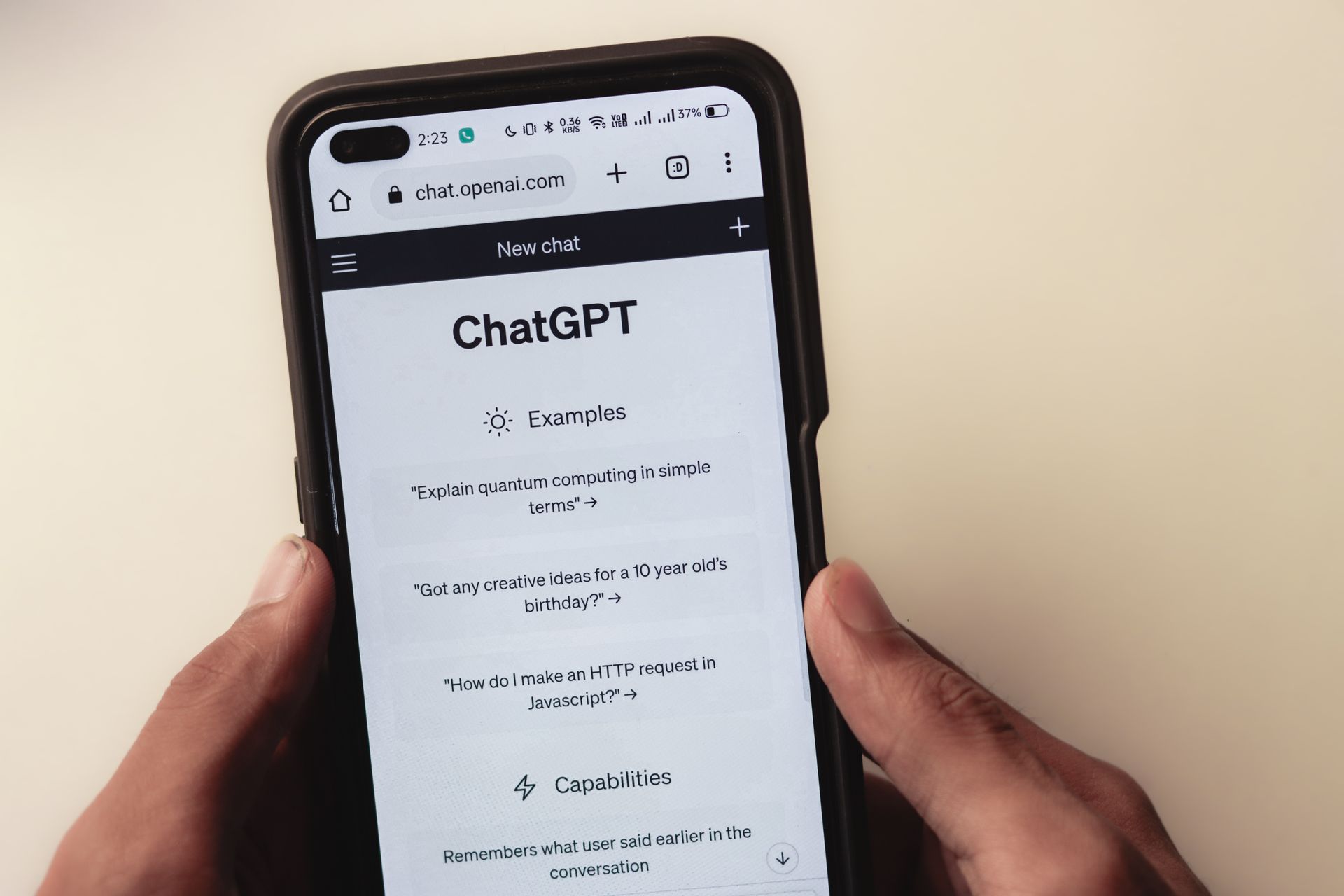
Full Disclosure: I actually used ChatGPT to assist in the writing of this article. You can find the details below and the original AI-generated content here.
Once the heady stuff of science fiction, Artificial Intelligence has grown from the primitive "artificial neurons" of 1943 to the expert systems of the 1980s to the deep learning software of today. Recently, tools like ChatGPT have emerged as game-changers in the realm of content creation. Using machine learning (ML) models, these programs analyze vast amounts of data and generate content that, to be fair, is often indistinguishable from that produced by human writers.
The ability to quickly and cheaply generate text, articles, and even entire websites is certainly a salient selling point. But is AI-generated content a good SEO strategy?
SEO Is a Two-Pronged Strategy
Back in the 1990s, when hobbits roamed the Earth, search engine optimization (SEO) was focused on one thing--boosting website rankings in the search engines. As a result, efforts to provide users with a good website experience often took a backseat as developers focused on building questionable backlinks and cramming as many keywords as possible into their content.
Unfortunately, simply getting traffic to a website isn't the end goal. If visitors are coming to your site and then immediately clicking away because you're not providing them with what they want or need, then your SEO efforts are being wasted. As search engines grew more sophisticated, they began to take this into consideration and started penalizing sites with skeevy backlinks, bad content, and high bounce rates.
These days, it's quality (rather than quantity) that drives SEO. Search engines like Google prioritize well-written, valuable, and relevant content in their rankings. Simply flooding the internet with spammy AI-generated content may boost your rankings in the short term, but it's not going to yield any long-term SEO success.
Balancing Automation with Human Expertise
If you really want to harness the benefits of AI-generated content while maintaining a level of quality required by search engines, a hybrid approach might be your best strategy. Combining AI technology with human expertise lets you create content that is both efficient and well-crafted. Human writers can provide creative input, inject unique perspectives, and make sure that the content aligns with the needs and preferences of the target audience.
SEO-Friendly AI Content
Optimizing AI-generated content for people is an art form, but optimizing it for SEO is more of a science. It's vital to provide clear instructions to the AI model if you want it to produce content in accordance with SEO best practices. This means incorporating relevant keywords naturally and organically, crafting compelling meta titles and descriptions, using the proper heading tags, and ensuring the content is of the appropriate length.
Fact Checking
At the moment, veracity is a major issue for AI-generated content. ChatGPT warns its users that it "may produce inaccurate information about people, places, or facts." The problem is that the content is only as accurate as the information it's based on. The ML model has access to content on billions of web pages, but lacks the ability to confirm the accuracy of the data it crawls. So the AI might accept inaccurate reporting, statistical errors, biased data, or even sarcasm/irony at face value and incorporate them as facts in its output.
Ethical Considerations
AI-generated content shouldn't be used in an effort to "fool" your audience. The idea isn't to trick folks into thinking you wrote something generated by an AI, but rather to use the AI as a tool to enhance your own content and spark ideas you may have overlooked. For example, my first draft of this blog post didn't even have a section on "Ethical Considerations," but I decided to add it after I generated a comparable blog post in ChatGPT.
Transparency is vital. If you don't indicate *clearly* when you're using AI-generated content, then it doesn't matter how innocent your intentions were. You're going to risk losing the trust of your audience if/when they find out.
TLDR
AI-generated content can be a viable tool for SEO, but it also comes with its own set of inherent challenges. If you use AI to write your copy, you'll still need human expertise to ensure your content is well-written and adheres to SEO best practices. The idea is not to replace human creativity with Artificial Intelligence, but to use AI to augment your current content strategy.
Digital Articles, Stories + Tips